
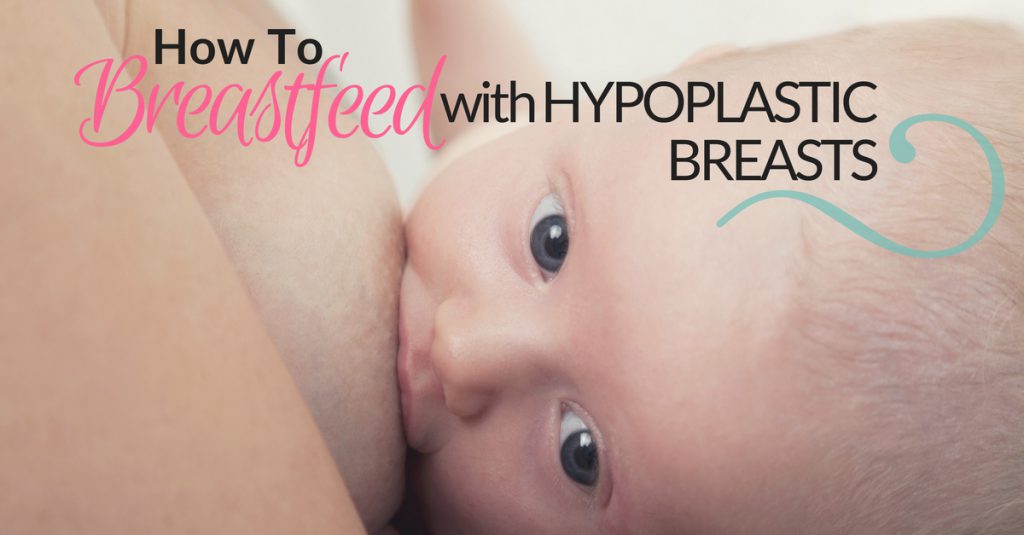
Breastfeeding is hard enough as a mother with normal functioning breasts. But if you’re a mother with other issues, such as hypoplastic breasts, it can be a whole different story with how you have to take care of yourself so you can best take care of your baby.
So this week we have Laura Chow who helps women, with breast issues such as this, increase their ability to nurse and create breastmilk as effectively as possible. Even if you’ve never been told you have hypoplastic breasts, these tips will also benefit most mothers that are nursing.
Many expectant mothers dream of those first few precious days after their baby is born, cuddled and warm in their arms, peacefully breastfeeding and bonding. But for women with hypoplastic breasts, this dream is often shattered by the fear their breasts may not be up to the task of nourishing a baby.
But just because you have hypoplastic breasts, it doesn’t necessarily mean you have to give up on the dream. This article explores what hypoplastic breasts are, offers advice on how to begin breastfeeding your newborn, and includes a few alternative suggestions for mothers who are unable to produce enough milk due to this condition.
What are hypoplastic breasts?
Whether called tubular breasts, underdeveloped breasts, or breast hypoplasia, this condition simply means there is insufficient milk-producing tissue within the breasts, making breastfeeding difficult or impossible.
Hypoplastic breasts are usually flat, often resemble empty sacks, and sit far apart on the chest. This type of breast usually has enlarged or swollen areolas that bulge at the tip. While typically on the smaller side, tubular breasts consistently have drastically different dimensions, sometimes making them appear lopsided.
Another sign of having hypoplastic breasts is the absence of significant breast changes during pregnancy and no sense of milk “coming in” as would normally occur roughly three days after giving birth.

Common causes of breast hypoplasia include a lack of progesterone, PCOS, and hypothyroidism. There are also links between pesticide exposure and hypoplastic breasts, especially in women who live in or near agricultural areas.
Instances of breast hypoplasia can be mild to severe, but are no reason not to at least try breastfeeding your child. While in the most severe cases mothers with hypoplastic breasts may ultimately be unable to produce enough milk to breastfeed, there are still many things you can try to improve your odds of success.
Advice for Those with Mild Hypoplastic Breasts
With a mild case of breast hypoplasia, you may have enough milk-producing tissues in your breasts to successfully breastfeed your baby. Be sure to address any underlying medical issues, such as PCOS and hypothyroidism, and be ready to feed on demand and pump regularly between feedings to stimulate milk production.
Breast massage and the use of certain herbs and supplements can increase production, too. Always speak with your healthcare team before trying any herbs or supplements.
Some herbs to try:
Proper breastfeeding practices are integral to your success. Consult a lactation specialist to be sure your baby is nursing efficiently, that you’re offering your breasts to them frequently enough, and that you’re pumping properly. Some women report great success with “nursing vacations.”

These are days set aside where they simply lay in bed with their baby, nursing and bonding with no interruptions. Being in such a relaxed environment can help stimulate milk production and reduce stress hormones.
Advice for Those with Moderate Hypoplastic Breasts
Women with moderate breast hypoplasia have significantly less milk-producing cells to work with, but breastfeeding may still be possible. Before your baby arrives, you can discuss the use of progesterone during your pregnancy to try and stimulate new glandular tissue growth.
After your baby is born, you should be pumping more often and encouraging your baby to nurse more frequently. Be sure you are emptying both breasts at every feeding and with each pumping session. As with mild breast hypoplasia, breast massage and the use of herbs can help, too.
Advice for Those with Severe Hypoplastic Breasts
Being on this end of the hypoplastic breast spectrum doesn’t automatically mean your breastfeeding efforts will fail. As with moderate cases, using progesterone supplements during pregnancy may help increase your glandular tissues enough to produce some milk on your own.

Herbs, massage, and frequent pumping will keep your breasts stimulated, encouraging milk production. Stay in contact with a lactation specialist, as they will often have suggestions specific to your needs and those of your baby.
What if none of these options work for me?
It can be frustrating and downright heartbreaking to put so much effort into trying to make breastfeeding work with hypoplastic breasts only to find out you can’t produce milk at all.
But even if you’re unable to produce milk, you can still enjoy the special bond of breastfeeding your baby by using a supplementary feeding device. This device can supply your baby with formula or donor milk while mimicking the breastfeeding experience.
The supplementary feeding device consists of a tube and a small bag that holds the formula or milk. The tube is slid into the corner of your baby’s mouth once he or she latches on to it.
Your baby will get all the important nutrients they need, and you can still share the closeness that comes with breastfeeding. The stimulation may even encourage your body to produce milk on its own.
If a supplementary feeding device isn’t for you, using bottles is another excellent, well-proven option. Despite claims to the contrary, you can still create a deep and lasting bond with your baby if you choose to bottle-feed them.

As with breastfeeding, just hold your baby close, maintain eye contact, and talk to your child. Avoid propping the bottle and walking away. Many mothers choose to spend feeding times skin-to-skin with their baby, even when using bottles.
Because of pregnancy-related hormonal changes, some women with hypoplastic breasts have discovered that their ability to produce milk increases with each subsequent pregnancy. So, even if your breastfeeding attempts with your first child didn’t work out, you still might be able to successfully breastfeed your next baby.
Laura Chow is a staff writer for Zwivel, an online resource dedicated to health, skincare, and cosmetic treatments.
ADDITIONAL RESOURCES
- How To Increase Breast Milk Supply So You Always Have Enough
- 10+ Actionable Breastfeeding Hacks To Make Your Life Easier
- 12 Unknown Secrets To Your Breast Pump
- 9 Must Try Tips For Getting A Breastfed Baby To Take A Bottle
Are you having a hard time nursing with your hypoplastic breasts?


Leave a Reply